
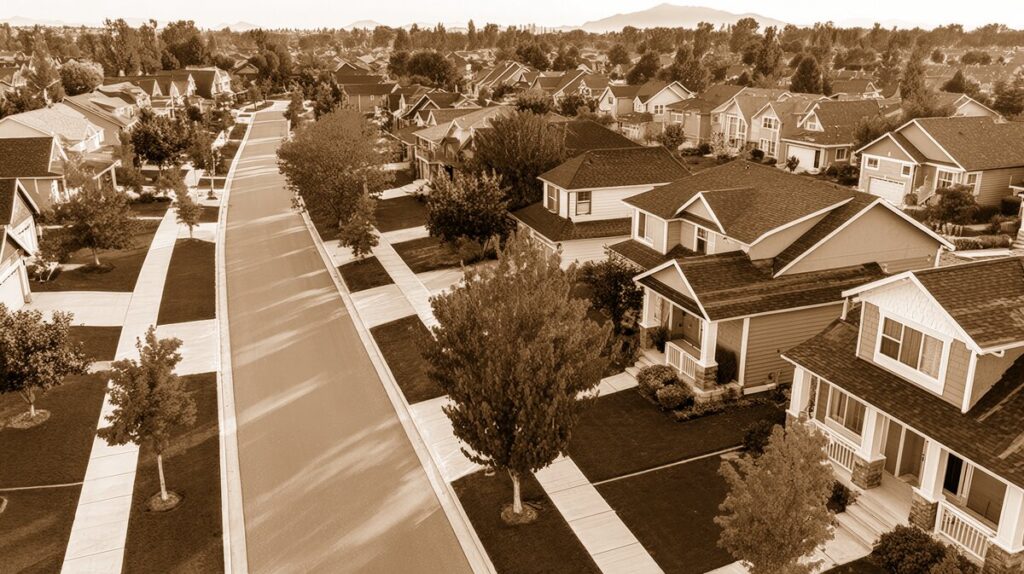
Nestled between Columbia Pike and Four Mile Run, Barcroft stands as one of Arlington’s most storied neighborhoods. To stroll its leafy avenues or relax in Barcroft Park is to walk through history—a living tapestry of the past and present, shaped by generations of residents who take pride in their community. From its origins on farmland to its status today as a beloved residential enclave, Barcroft weaves together rich heritage, local landmarks, and an enduring neighborhood spirit.
Origins: From Farmland to Village
Barcroft’s story begins in the mid-19th century, rooted in the vision of Dr. John Woolverton Barcroft. In 1845, Dr. Barcroft acquired several acres along what is now Columbia Pike, using the land primarily for dairy farming. The gentle rise of his fields, bordered by the runs and woods of southern Arlington, offered an ideal backdrop for a peaceful rural community.
With the outbreak of the Civil War, the area’s strategic significance grew. Several Union outposts, including Fort Reynolds, were constructed nearby to defend the nation’s capital. After the war, Dr. Barcroft’s home became a community fixture, and his name soon graced the rapidly developing settlement.
Naming the Neighborhood: A Legacy Remembered
Barcroft owes its name entirely to Dr. Barcroft’s influence—he was not only a dedicated physician but also a founder. His farmhouse, once near today’s Buchanan Street and Columbia Pike, became a gathering place for locals and a center of early civic life. The name “Barcroft” first appeared with the establishment of the Barcroft Post Office in 1892, marking the area as a recognizable village distinct from the burgeoning neighborhoods closer to Washington, D.C.
Key Historical Milestones
Throughout the late 19th and early 20th centuries, Barcroft grew steadily. Its proximity to Washington, along with the growing Columbia Pike corridor, made it attractive to those seeking a quieter life just outside the city.
- Barcroft School and Civic League: Established in 1908, the Barcroft School and Civic League (now the oldest continuously operating civic association in Arlington) became a central voice for residents. The original schoolhouse building, still located on Four Mile Run Drive, is now a community center and local landmark.
- Subdivision and Growth: In the 1920s, Barcroft began to see more structured development. Streets like Wakefield, Buchanan, and Oxford emerged, defined by tidy bungalows and brick colonials. The neighborhood attracted government workers, teachers, and young families, all drawn by the sense of community.
- World War II and the Postwar Boom: The 1940s and 1950s brought a surge of new residents—servicemen and women returning from the war and seeking homes in thriving suburbs. The Barcroft Apartments, built during this era just north of Columbia Pike, remain a signature example of garden-style residential architecture.
Notable Landmarks and Buildings
Barcroft is blessed with several sites that blend everyday use with historic charm. Some local treasures include:
- Barcroft Community House: Once the community’s original schoolhouse, this building at 800 South Buchanan Street serves as a meeting place, polling location, and site for neighborhood events. The sense of continuity here is palpable; it’s not uncommon to meet residents whose parents or grandparents also spent time inside its walls.
- Barcroft Park: Stretching along Four Mile Run, Barcroft Park is a green jewel providing recreation for all ages. The park’s athletic fields and wooded trails are a favorite destination, while the playground and picnic spaces reflect decades of community investment.
- Historic Homes: Stroll down streets like 9th Road South or South Wakefield and you’ll spot charming bungalows, some dating to the early 20th century. While Barcroft has seen modern infill and renovation, its original character endures.
Evolving Through the Decades
Over the years, Barcroft has changed but never lost its close-knit vibe. In the 1960s and 70s, Arlington’s growth brought new neighbors from around the world, enriching Barcroft’s cultural fabric. Today, you’ll hear many languages at the local parks and see families representing a beautiful range of backgrounds.
The neighborhood has also seen thoughtful modernization—sidewalks and streetlights were added, Columbia Pike was enhanced as a transit corridor, and local businesses have blossomed nearby. Yet, Barcroft’s residents keep its traditions alive. Annual events like the Halloween Parade down Buchanan Street, block parties, and community picnics foster connection among new arrivals and longtime neighbors alike.
Enduring Sense of Place
Ask a Barcroft resident what they love about their neighborhood, and the answers are heartfelt:
- The sound of children playing in Barcroft Park
- The sight of neighbors tending their gardens or walking their dogs along 8th Street South
- The pride in local institutions—like the Barcroft Elementary School, which anchors the community not just with education but also with cultural and holiday events
Barcroft’s gentle hills and winding roads offer quiet beauty, but its true richness lies in its people—residents who cherish both the area’s past and its future.
Heritage Preserved
Even as Arlington continues to grow and change, Barcroft remains a bastion of local heritage. Efforts by the Barcroft School and Civic League, supported by neighborhood volunteers, ensure that historical records and stories are preserved for future generations. Residents have worked to maintain the character of their homes, participate in tree planting along Four Mile Run, and support preservation initiatives that highlight Barcroft’s contributions to Arlington’s unique identity.
Barcroft’s welcoming spirit is timeless. It’s a neighborhood where history echoes down every block and where a deep sense of belonging invites neighbors to not just live, but to truly be at home.